
Back-to-School Anxiety: Helping Your Child (and Yourself) Ease Into the New School Year in Durham Region
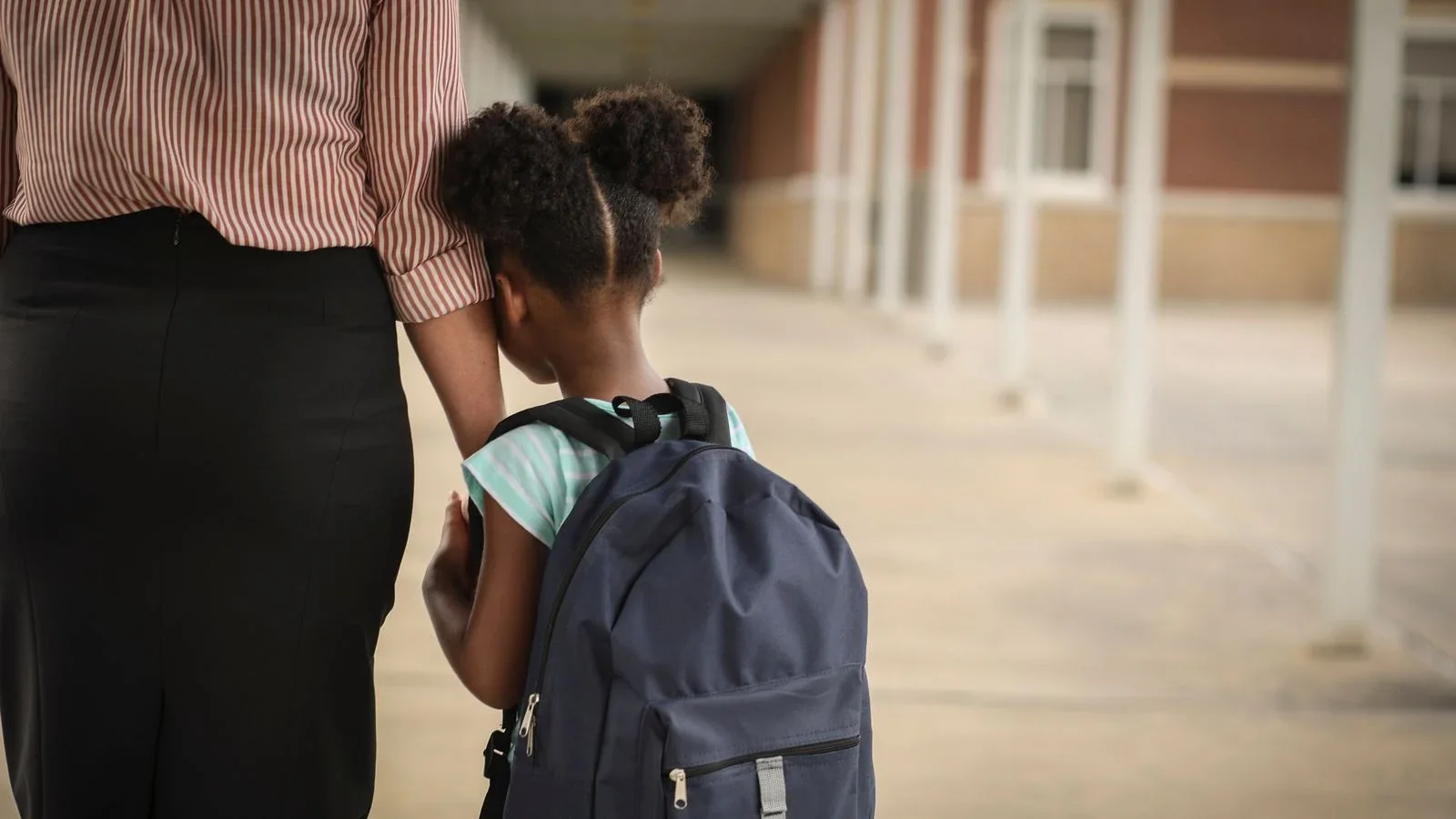
Back-to-school anxiety in Whitby, Ontario.
Late summer has a certain feeling to it, doesn't it? The days are still warm, but there's a shift in the air — school supply displays go up, camps start wrapping up, and somewhere around Labour Day weekend, Durham Region gets quieter as families settle back into routine. For a lot of kids (and honestly, a lot of parents), that shift brings more than just excitement. It brings anxiety.
If your child has been more irritable, clingy, or withdrawn as September creeps closer — or if you've noticed the sleep is off, the appetite has changed, or there are more stomach aches and "I don't feel good" mornings than usual — you're not imagining it. Back-to-school anxiety is one of the most common concerns we hear from families across Whitby, Oshawa, Ajax, and the rest of Durham Region this time of year.
Why the Back-to-School Transition Hits So Hard
A new school year asks a lot of a child's nervous system all at once: new teachers, new classmates, new routines, new expectations. Even kids who loved school last year can feel unsettled by the unknowns of a new grade. For some children, especially those managing generalized anxiety, social anxiety, or past experiences with bullying or academic pressure, the lead-up to September can feel like standing at the edge of something big without knowing what's on the other side.
Parents feel it too. Coordinating school schedules, extracurriculars, and work across Durham Region while managing your own child's big emotions is exhausting, even when you love your kids fiercely. It's common to feel some anxiety of your own creeping in alongside theirs.
Signs Your Child Might Be Struggling with Back-to-School Anxiety
Trouble sleeping or new nightmares in the weeks before school starts
Physical complaints like stomach aches or headaches, especially on weekday mornings
Increased tears, tantrums, or shutting down around conversations about school
Avoidance — asking to skip orientation days, meet-the-teacher events, or back-to-school shopping
Regression in younger children (clinginess, thumb-sucking, bedwetting)
Withdrawal or irritability in older kids and teens
A little nervousness before a new school year is normal and even healthy. It becomes worth a closer look when the anxiety is intense, persistent, or getting in the way of daily functioning.
What Helps: Practical Steps for Durham Region Families
1. Normalize the nerves, don't dismiss them. Instead of "there's nothing to worry about," try "it makes sense that new things feel a little scary — I'm here with you."
2. Rebuild routine early. If your family's summer schedule has drifted, start shifting bedtimes and wake times a week or two before school starts so the first morning isn't also the first shock to the system.
3. Walk the route or visit the school. Many Durham Region schools offer meet-the-teacher days or open houses in late August. Familiarity reduces uncertainty, and uncertainty is often what anxiety feeds on.
4. Name the feeling together. Helping a child put words to "my tummy feels funny" or "I feel worried" builds emotional vocabulary they'll use for life, not just for September.
5. Watch your own stress out loud. Kids pick up on parental anxiety even when we think we're hiding it well. Modelling calm coping — even saying "I'm feeling a bit anxious about the new schedule too, so I'm taking a few deep breaths" — teaches more than any lecture.
6. Give it time. For most kids, back-to-school anxiety eases within the first couple of weeks as routine and predictability return. If it doesn't start to settle, that's a good signal to bring in extra support.
When to Consider Family or Youth Therapy
If your child's anxiety is lasting well beyond the first weeks of school, showing up as school refusal, or affecting friendships, sleep, or your family's day-to-day life, therapy can help — for your child, for you, or for your family as a whole. At Intentional Growth Path Psychotherapy, we work with children age 12 and up, along with parents and families navigating anxiety, transitions, and relationship stress, using approaches like CBT, ACT, and trauma-informed, EFT-based family work.
Sessions are available virtually across Ontario, in person in Whitby, and — for families who find it easier to talk while moving — through walk-and-talk sessions outdoors. If a new school year has your household feeling more anxious than excited, you don't have to figure it out alone.
Book a free consultation to talk about what support could look like for your child or your family this fall.
